Moving into a care home does not mean giving up your independence. For many older people and their families, this can be one of the biggest concerns when considering care. However, good care is not about doing everything for someone. It is about providing the right level of support while helping each person continue to make choices, enjoy familiar routines and do the things that matter to them.
At Woodlands Care Home in Aberdeen, person-centred care means getting to know each resident as an individual. Their preferences, interests, routines and abilities all help shape the support they receive, allowing them to remain as involved as possible in everyday life.
What Does Independence Mean In A Care Home?
Independence can look different for everyone. For one person, it might mean choosing what time they get up in the morning. For another, it could mean continuing to enjoy a favourite hobby, helping with small everyday tasks or deciding how they would like to spend their afternoon.
As people get older, they may need additional support with certain aspects of daily life. This does not mean that they should lose their ability to make decisions or participate in the things they enjoy. A care home can provide assistance where it is needed while encouraging residents to remain involved wherever possible.
The aim is to find the right balance between providing support and allowing each person to retain their sense of choice and control.
Supporting Choice In Everyday Life
One of the simplest ways to promote independence is to give residents meaningful choices throughout the day. These decisions can be small, but they can make a significant difference to how someone feels about their daily life.
Residents may be able to choose what they would like to wear, what they would like to eat, which activities they want to take part in or how they would prefer to spend their free time. Maintaining these choices helps ensure that life in a care home continues to feel personal rather than becoming a set routine that is the same for everyone.
Listening to residents and understanding their preferences also helps care teams provide support in a way that respects their individuality.
Maintaining Familiar Routines
Familiar routines can provide a reassuring sense of structure, particularly when someone is adjusting to life in a care home. Maintaining elements of a person's usual routine can help their new surroundings feel more familiar and comfortable.
This could include enjoying a morning cup of tea at a particular time, reading the newspaper, having an afternoon rest or following a long-standing hobby. Where practical, care teams can work with residents and their families to understand these routines and incorporate them into everyday life.
A person's routine should not prevent them from trying something new, but having familiar parts of the day can provide a helpful sense of consistency.
Encouraging Residents To Stay Active
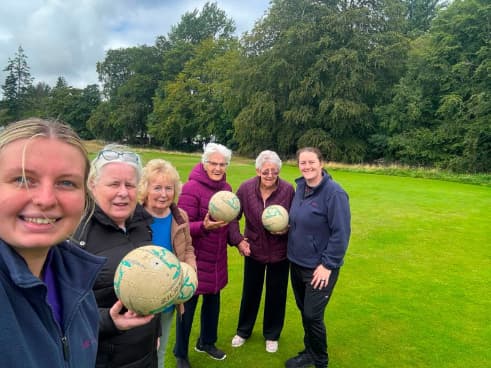
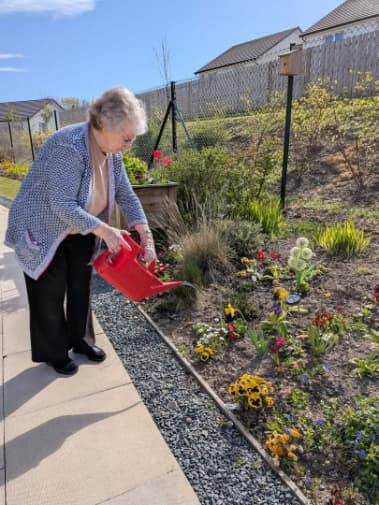
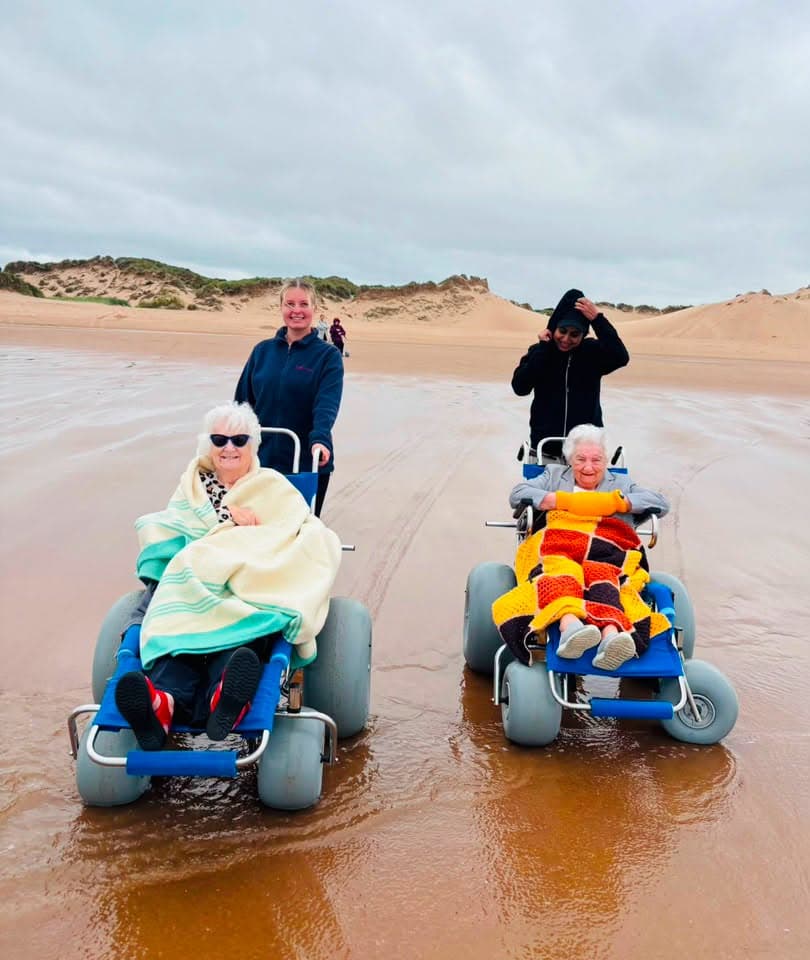
Remaining physically active can also support independence. Depending on an individual's abilities, this might involve walking around the home, spending time in the garden, taking part in gentle exercise or simply moving regularly throughout the day.
Care teams can provide encouragement and appropriate support while recognising that everyone's mobility is different. Activities should be adapted to the individual rather than expecting everyone to participate in the same way.
Keeping active can help residents maintain confidence in their abilities and continue doing things for themselves where possible.
Continuing Hobbies And Interests
Moving into a care home should not mean leaving favourite interests behind. Hobbies can be an important part of someone's identity and provide opportunities for enjoyment, purpose and self-expression.
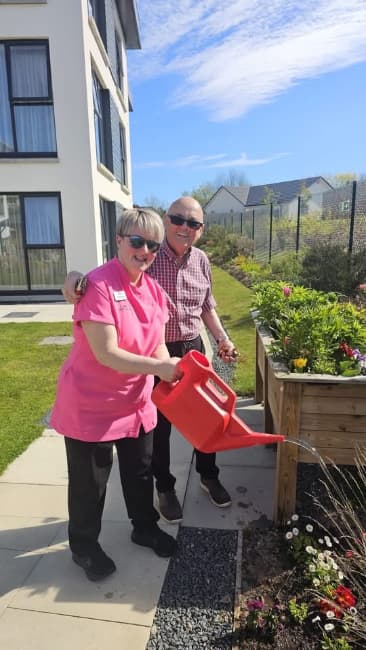
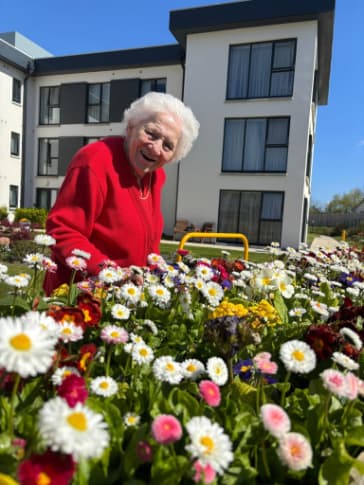
A resident who has always enjoyed gardening may appreciate spending time outdoors or helping with plants. Someone who loves music may enjoy listening to familiar songs or taking part in musical activities. Others may prefer reading, painting, puzzles, crafts, baking or simply having conversations about subjects they have always enjoyed.
Activities can also provide opportunities for residents to use existing skills. Something as simple as helping to arrange flowers, choosing music for an afternoon or assisting with a small activity can help someone feel involved and valued.
Socialising And Building Connections
Independence is not only about what someone can do physically. Having opportunities to socialise and build relationships is also an important part of maintaining a fulfilling lifestyle.
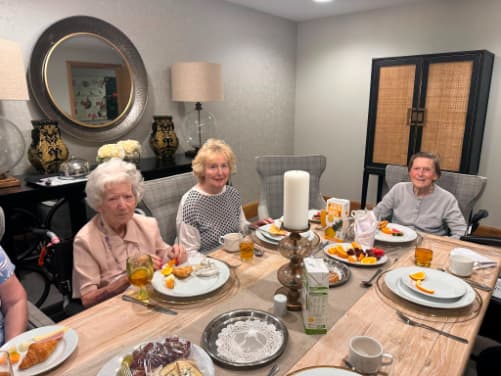
Care homes can provide a range of opportunities for residents to spend time together, whether through organised activities, shared meals, entertainment or informal conversations in communal spaces.
At the same time, residents should be able to choose how much social interaction they want. Some people naturally enjoy being around others, while others value quieter periods during the day. Respecting these individual preferences is an important part of person-centred care.
Family and friends also remain an important part of a person's life after moving into a care home. Regular visits, phone calls and shared activities can help residents maintain the relationships that matter most to them.
Creating A Personal Space
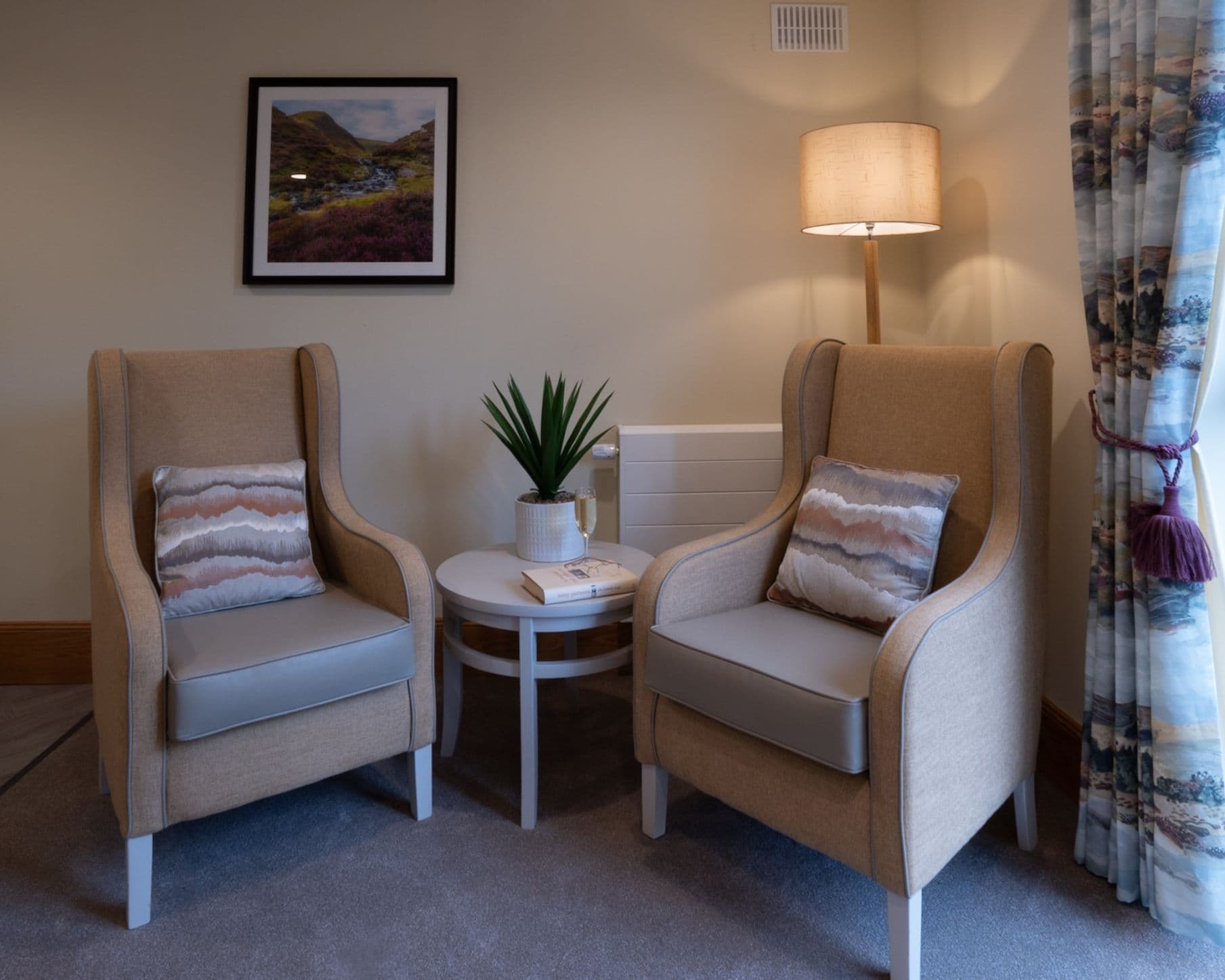
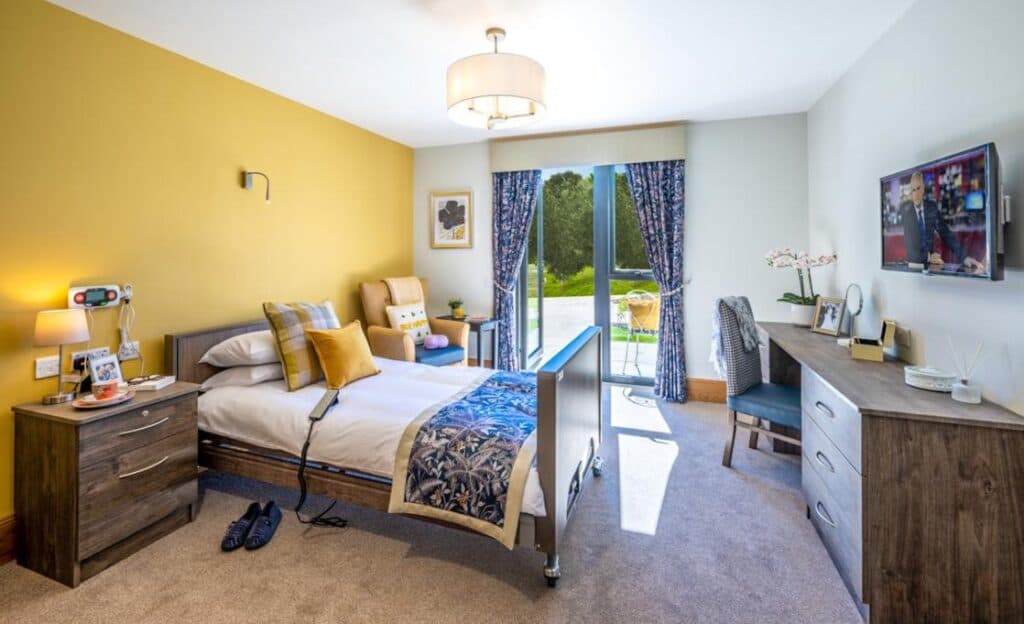
A resident's bedroom can also play an important role in maintaining their sense of independence and identity. Bringing familiar belongings from home can help create a space that feels personal and recognisable.
Photographs, favourite ornaments, books, artwork and other meaningful possessions can make a room feel more like the resident's own space. Familiar objects can also provide comforting reminders of people, places and experiences that are important to them.
Personalising a bedroom allows residents to have an environment that reflects who they are rather than simply feeling like they have moved into a new building.
Providing Support Without Taking Over
One of the most important aspects of supporting independence is knowing when to provide assistance and when to give someone the opportunity to do something themselves.
It can sometimes be quicker or easier for someone else to complete a task. However, allowing residents to participate in everyday activities where they are able can help maintain confidence and a sense of achievement.
Care teams can provide encouragement, assistance or adaptations when necessary, while still giving residents the opportunity to remain involved. This approach recognises that abilities can vary from day to day and that the right support may change over time.
Independence And Person-Centred Care
Supporting independence works best when care is based on the individual. There is no single definition of independence that applies to everyone, and what is important to one resident may be completely different for another.
Getting to know each person helps care teams understand what they enjoy, what they can do confidently, where they need support and which choices matter most to them. These details can then form part of their wider care and support plan.
This is why person-centred care is about more than meeting someone's basic needs. It is about understanding the person behind those needs and helping them continue to live a life that feels meaningful to them.
A Care Home Can Support Independence
For families considering care, it is understandable to wonder how moving into a care home might affect a loved one's independence. However, with the right approach, a care home can provide a supportive environment where residents continue to make choices, maintain interests and participate in everyday life.
At Woodlands Care Home in Aberdeen, residents are supported as individuals, with care shaped around their needs, preferences and abilities. The goal is not to take away independence, but to provide support that helps each person enjoy their daily life with dignity, choice and confidence.
If you are considering care for yourself or a loved one, learning more about how a care home approaches everyday life can be a helpful part of the decision-making process. Get in touch with the friendly team at Woodlands Care Home to find out more and arrange a visit.