What is Occupational Therapy in a Care Home?
Maintaining independence can be important at every stage of later life. Even when someone needs support with their care, being able to make choices, take part in familiar activities and do things for themselves can have a positive impact on their confidence and wellbeing.
Occupational therapy can play an important role in supporting this independence. Rather than focusing only on physical abilities, occupational therapists look at the activities that are important to a person and consider how they can be supported to continue doing them.
What Is Occupational Therapy?
Occupational therapy helps people take part in everyday activities that are meaningful or important to them.
For an older person, this could involve supporting them with everyday tasks such as getting dressed, preparing food, moving around safely or taking part in hobbies. An occupational therapist considers the person's individual abilities and circumstances and looks at practical ways to make activities more manageable.
The aim is not simply to complete tasks for someone. Instead, occupational therapy can help people maintain or regain skills and confidence so they can remain as independent as possible.
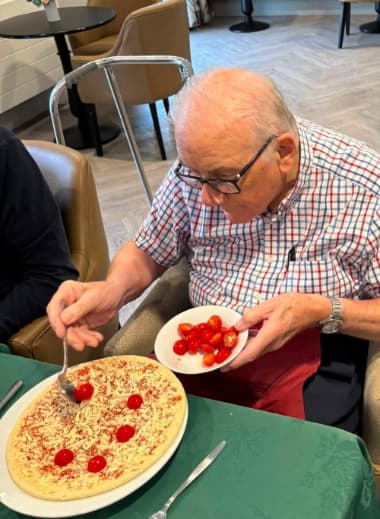
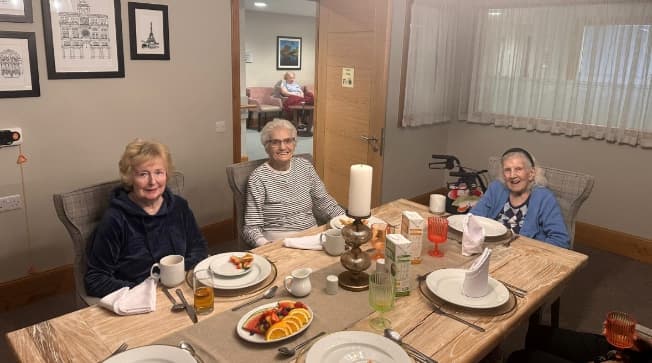
Supporting Everyday Activities
Everyday tasks can sometimes become more difficult as people get older. Changes in mobility, strength, balance or coordination may affect how easily someone can carry out activities they have previously taken for granted.
Occupational therapy can look at how these activities can be adapted to suit the individual. This could involve changing the way a task is approached, introducing equipment or finding a different method that makes it easier and safer.
Small changes can sometimes make a meaningful difference to someone's ability to participate in everyday life.
Helping Residents Maintain Their Independence
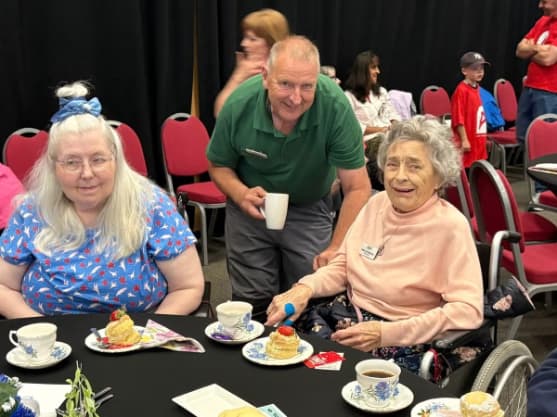
Independence does not necessarily mean doing everything without assistance. For someone living in a care home, it may mean being able to make choices about their day, complete parts of a familiar routine or take part in activities they enjoy.
Occupational therapy can support residents to make the most of the abilities they have. Providing the right level of assistance can allow someone to remain involved rather than having tasks automatically completed for them.
This can help maintain a sense of control and encourage confidence in everyday life.
Supporting Hobbies And Meaningful Activities
Occupational therapy is not limited to personal care and household tasks. Activities that someone enjoys can also be important to their wellbeing.
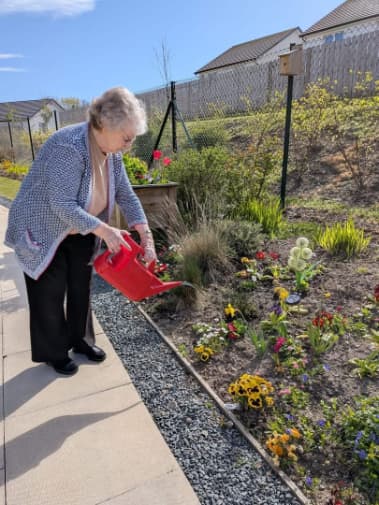
A resident may have a particular hobby, enjoy gardening, like preparing food or simply value being able to spend time doing something independently. An occupational therapist can consider what may help the person continue participating in activities that are meaningful to them.
This person-centred approach recognises that independence is about more than physical ability. It is also about being able to spend time doing things that bring enjoyment and purpose.


Creating A Safer Environment
The environment around someone can have an impact on their ability to remain independent.
An occupational therapist may consider whether changes to a person's surroundings or the way they approach certain activities could make everyday life easier and safer. This could include looking at how someone moves around their living space or whether particular equipment could help them complete a task.
The aim is to support independence while taking the person's individual needs and circumstances into account.
Occupational Therapy And Recovery
Occupational therapy can also be valuable when someone is recovering from an illness, injury or operation.
A period of reduced mobility or hospital treatment can affect a person's confidence and ability to manage everyday activities. Occupational therapy can help someone work towards returning to activities that are important to them by considering what support or adaptations may be useful during their recovery.
Progress can be gradual, and the focus remains on what is meaningful and achievable for the individual.
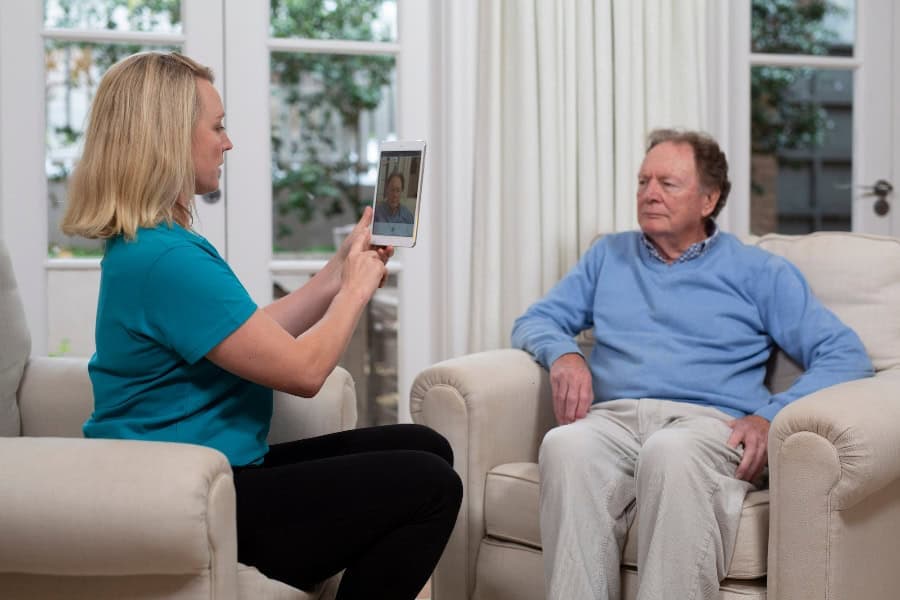
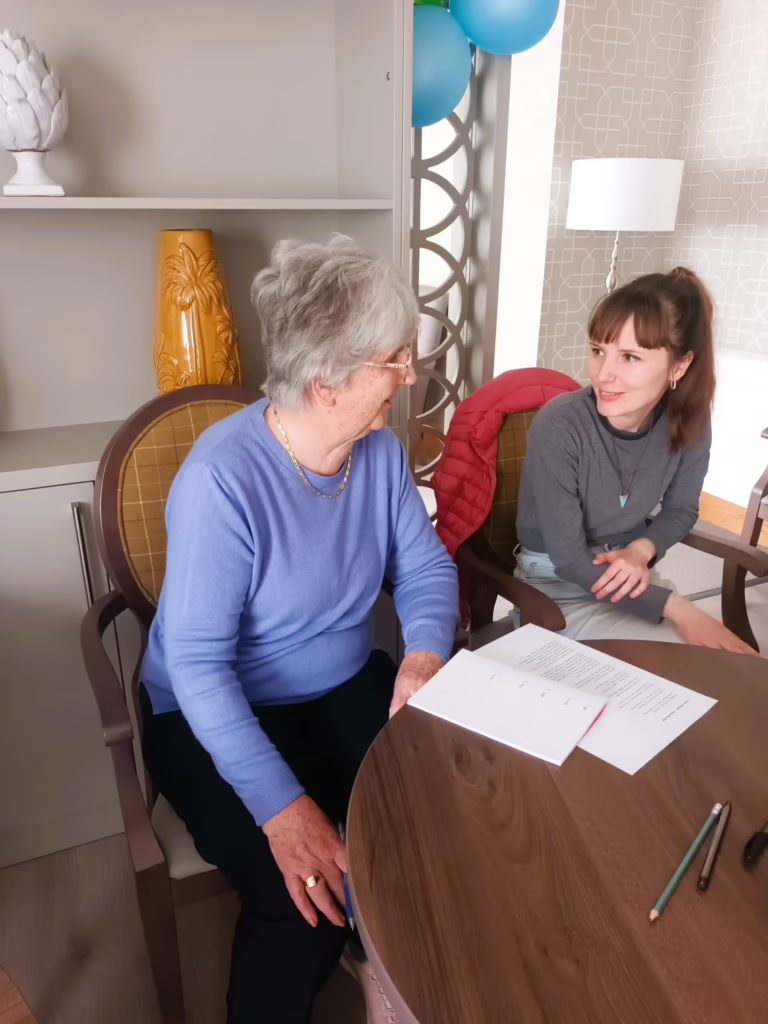
Supporting Independence At Woodlands Care Home
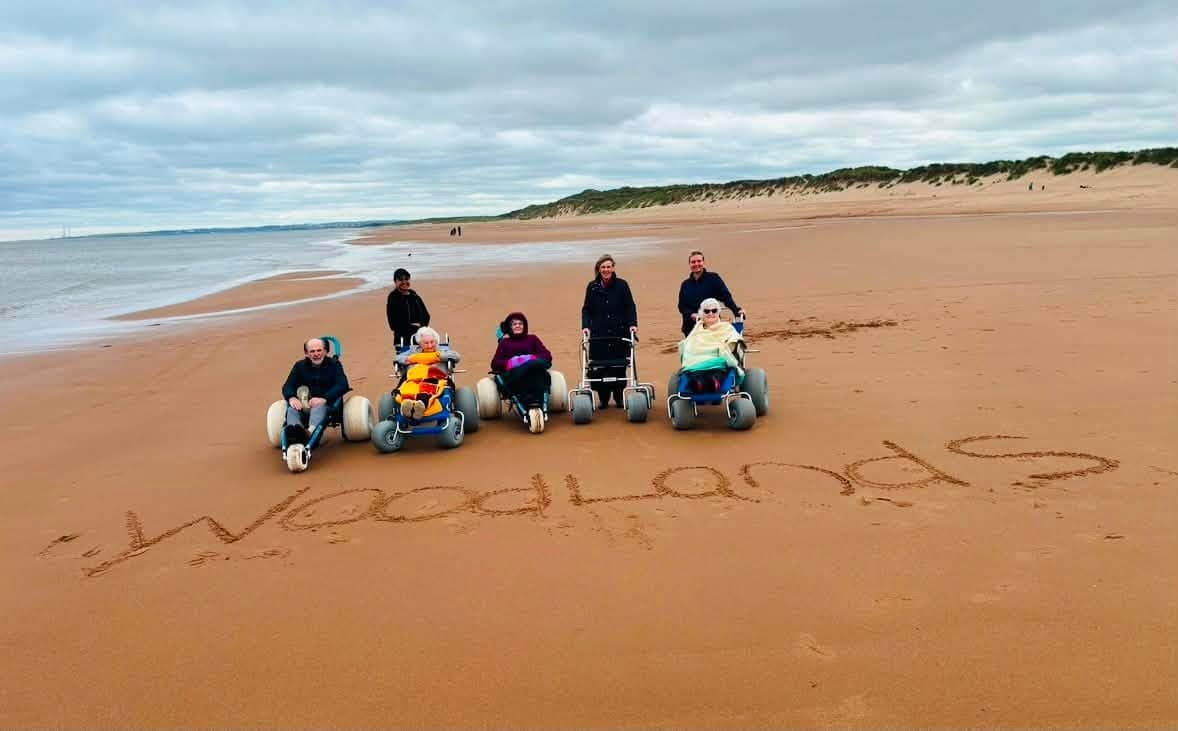
At Woodlands Care Home in Aberdeen, supporting residents to maintain their independence is an important part of person centred care.
The home offers occupational therapy alongside a range of care and support services, helping residents receive support that reflects their individual abilities and needs. Whether someone is working towards greater independence following a period of rehabilitation or simply wants to remain involved in familiar everyday activities, occupational therapy can provide practical support.
For families considering care for a loved one, it can be reassuring to know that care does not have to mean giving up independence. With the right support, residents can continue making choices, developing confidence and taking part in the activities that matter to them.
If you would like to find out more about occupational therapy and the care available at Woodlands Care Home, please get in touch with the friendly team. We would be happy to answer your questions and arrange a visit to the home.