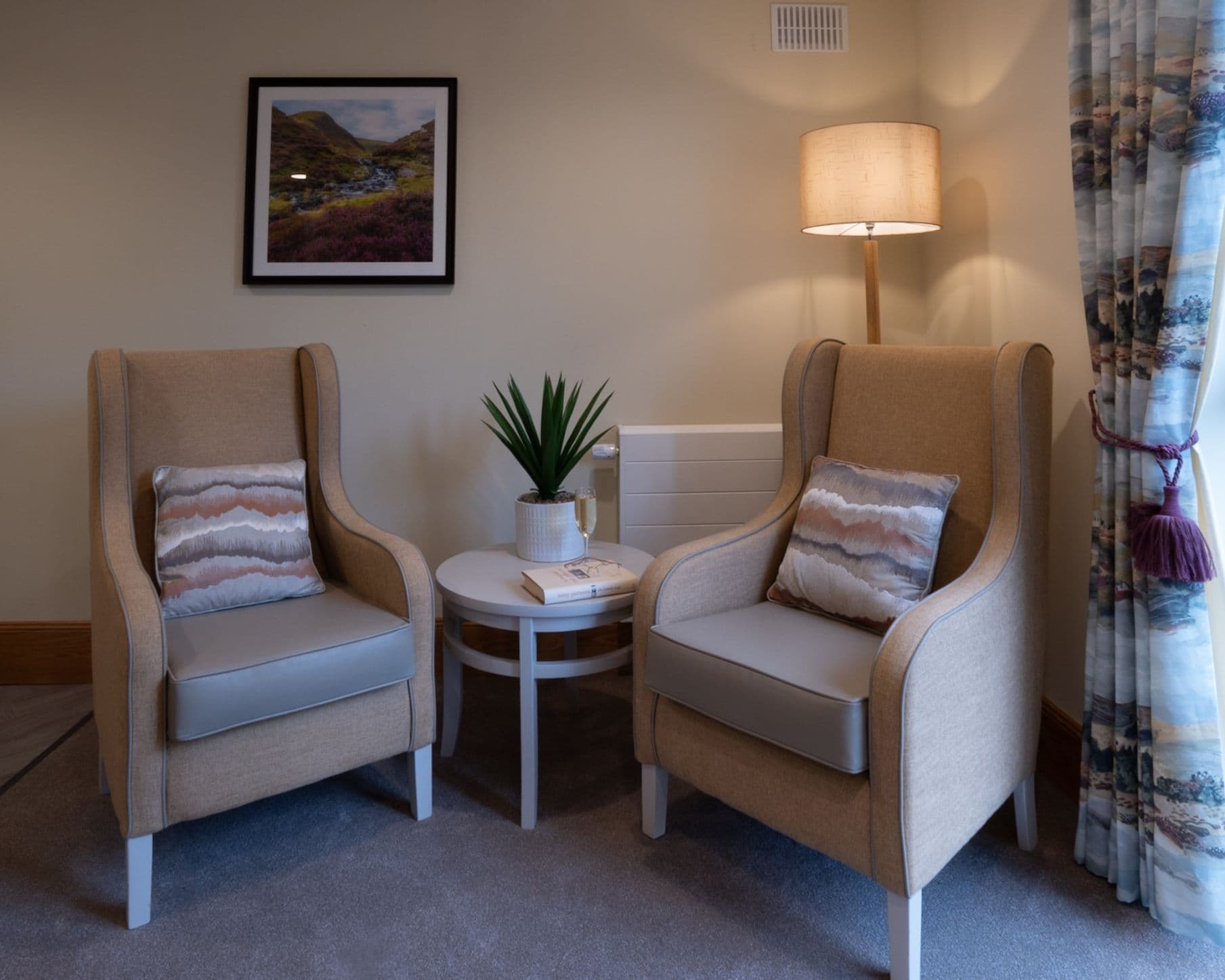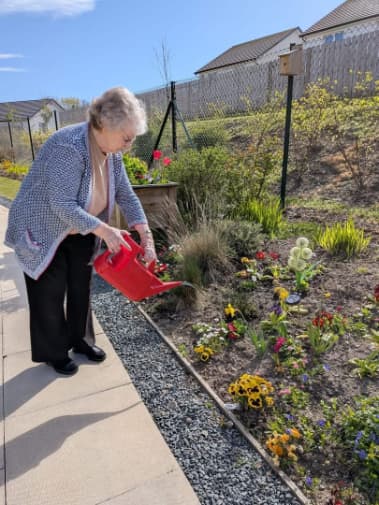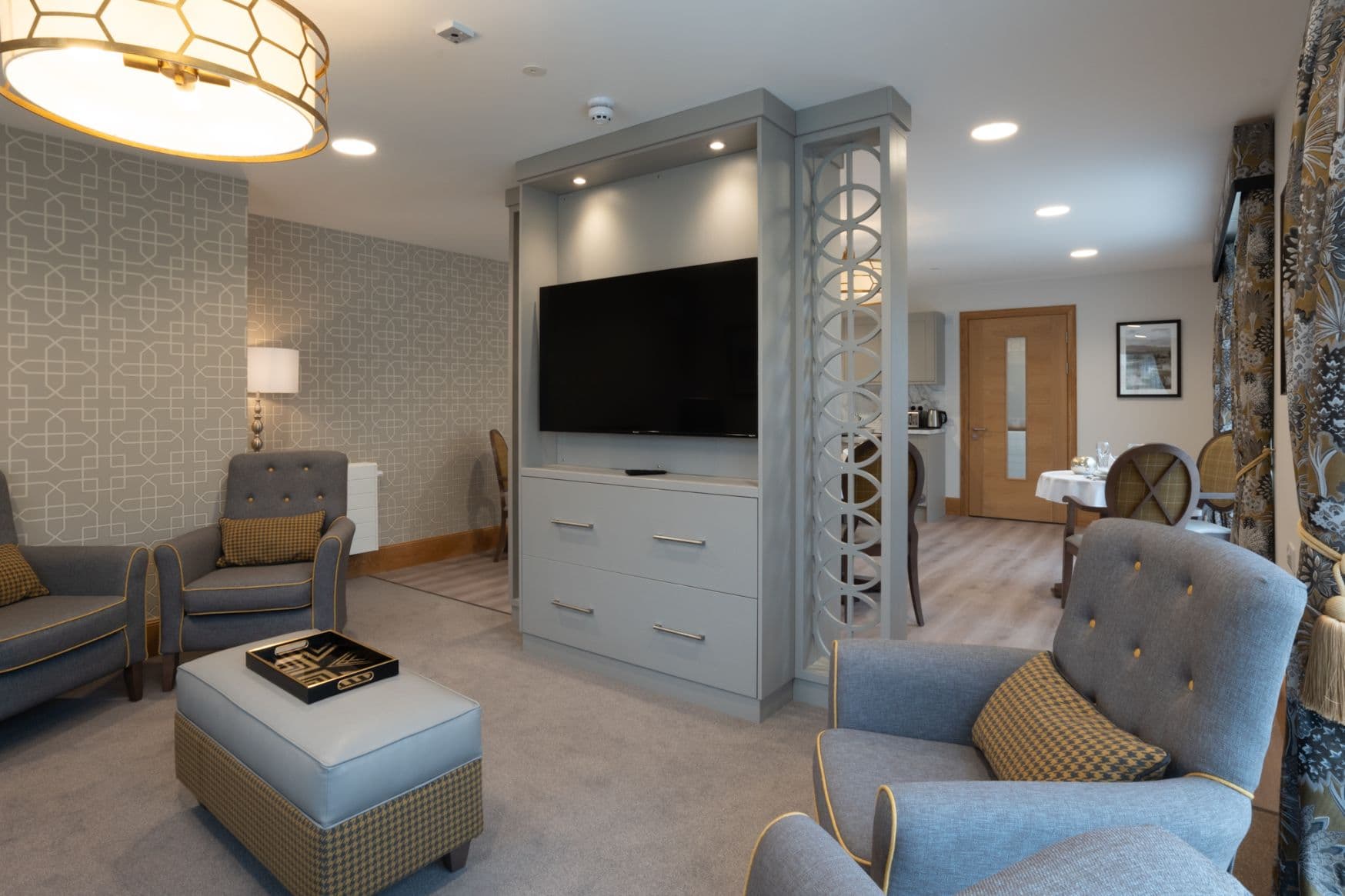
Moving into a care home is a significant life change, both for residents and their loved ones. Whether someone is joining a care home for residential care, nursing care, dementia care or a short respite stay, settling into new surroundings can take time. While a care home provides support, companionship and a safe environment, it is natural to miss the familiarity of home.
The good news is that there are many simple ways to make a care home room feel warm, comfortable and personal. By surrounding residents with meaningful belongings, familiar routines and cherished memories, a new room can quickly become a place where they feel relaxed, confident and truly at home.
Why Feeling at Home Is So Important
A care home should be much more than a place where care is provided. It should be somewhere residents feel safe, comfortable and able to enjoy life to the fullest.
Creating a familiar environment can help reduce feelings of uncertainty and support emotional wellbeing during the transition into care. Personalised spaces often encourage residents to feel more settled and maintain a strong sense of identity, which can be particularly valuable for those living with dementia.
When a room reflects someone's personality, interests and life experiences, it becomes a place where they can continue to feel connected to who they are.
Surround Yourself With Familiar Memories
One of the easiest ways to create a homely atmosphere is by bringing treasured items from home. Familiar possessions can provide comfort and reassurance, especially during the early days of moving into a care home.
Family photographs are often among the most meaningful items residents choose to display. Pictures of loved ones, holidays, weddings and special celebrations can spark happy memories and create natural opportunities for conversation.
Favourite ornaments, keepsakes and personal mementoes can also help transform a room into a familiar and comforting space. These items often tell a story and reflect a resident's unique life journey.
Memory books and photo albums can be particularly beneficial for residents living with dementia, helping them reconnect with important moments and people from their past.
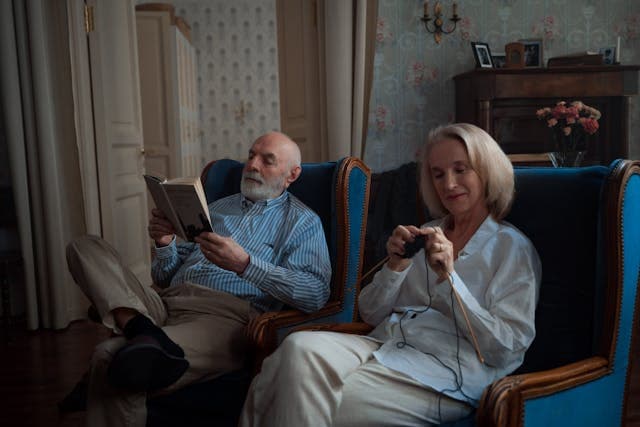
Add Favourite Furnishings and Personal Touches
The small details often make the biggest difference when creating a welcoming environment.
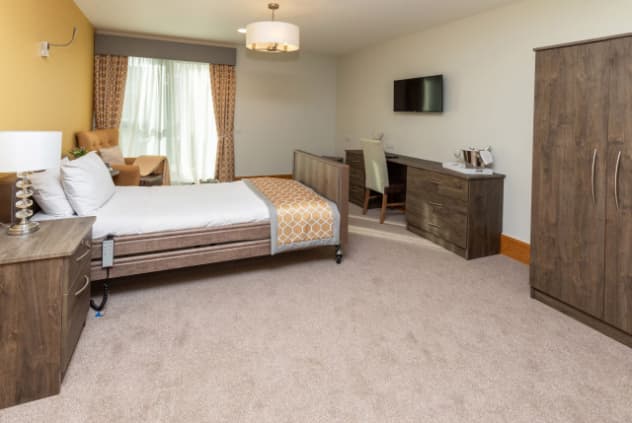
Many residents enjoy bringing their favourite cushions, blankets or throws from home. Familiar fabrics can provide comfort and help a room feel more personal from the moment they arrive.
A beloved armchair, small table or other suitable pieces of furniture may also help create a stronger sense of familiarity, depending on the space available.
Personal touches such as artwork, ornaments and decorative items can transform a room from simply being a bedroom into a space that truly reflects the individual who lives there.
Create a Space That Reflects Individual Interests
Every resident has their own hobbies, passions and interests, and their room should reflect the things that bring them joy.
For someone who loves reading, a collection of favourite books can make the room feel more familiar. For music lovers, photographs from concerts, musical memorabilia or access to favourite songs can help maintain an important connection to lifelong interests.
Some residents enjoy displaying artwork they have created themselves, while others may choose to showcase travel souvenirs, gardening achievements or family heirlooms.
These personal touches help celebrate individuality and remind residents that moving into care does not mean leaving behind the things that make them who they are.


Familiar Routines Can Make a Big Difference
Feeling at home is not only about the environment. Familiar daily routines can also provide comfort and reassurance.
Many people find comfort in simple habits such as enjoying a morning cup of tea, reading the newspaper, listening to favourite radio programmes or watching a much-loved television show.
Maintaining these routines wherever possible can help residents feel more settled and maintain a sense of independence.
For residents living with dementia, familiar routines can be especially valuable. Consistency often helps reduce anxiety and provides a reassuring structure to each day.
Care teams take the time to understand each resident's preferences so that daily life continues to feel familiar and meaningful.
Staying Connected With Family and Friends
Relationships play a huge role in helping a care home feel like home.
Regular visits from family and friends provide comfort, companionship and a continued connection to loved ones. Whether it is sharing a meal together, enjoying activities or simply spending quality time chatting, these moments are incredibly important.
Many residents also enjoy displaying photographs of children, grandchildren, friends and even beloved pets around their room.
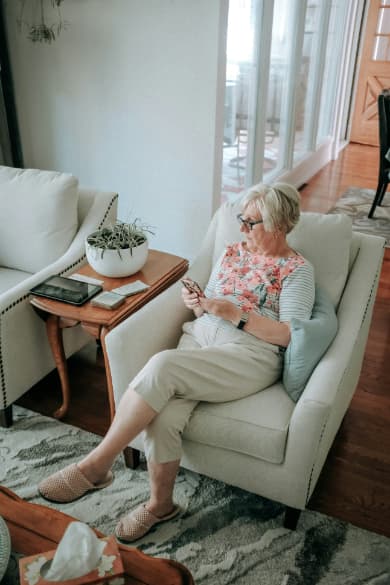
Modern technology can help families stay connected too, with video calls making it easier to keep in touch when relatives live further away.
Knowing that family remain an active part of everyday life can help residents feel supported and reassured.
A Home Is More Than Four Walls
While personalised bedrooms are important, feeling at home often comes from the wider community around you.
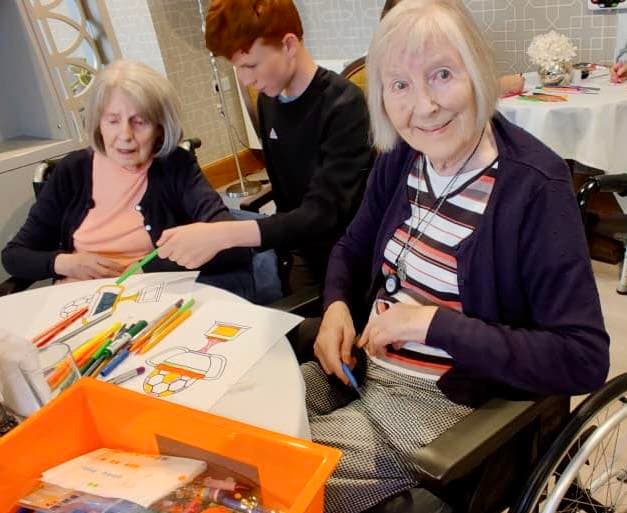
One of the benefits of living in a care home is the opportunity to build new friendships and become part of a welcoming community. Shared meals, group activities and social events help residents connect with others who have similar interests and experiences.
Meaningful relationships with care teams also contribute to a strong sense of belonging. Taking the time to understand individual preferences, life stories and personal routines helps create an environment where residents feel genuinely valued.
Over time, these connections often become one of the most rewarding aspects of care home life.
Making the Transition Easier
Adjusting to a new environment takes time, and every resident's journey is different. However, surrounding yourself with familiar belongings, maintaining favourite routines and staying connected to loved ones can make the transition significantly easier.
A care home room should feel personal, comforting and reflective of the individual living there. Combined with compassionate support and a welcoming community, these simple touches can help residents settle into their new surroundings with confidence.
Creating a Home Away From Home at Woodlands Care Home
At Woodlands Care Home in Aberdeen, we understand that moving into care is about much more than changing address. It is about creating a place where residents feel comfortable, valued and truly at home. Our spacious en-suite bedrooms can be personalised with treasured belongings, photographs and familiar furnishings, helping every resident create a space that reflects their personality and life story.
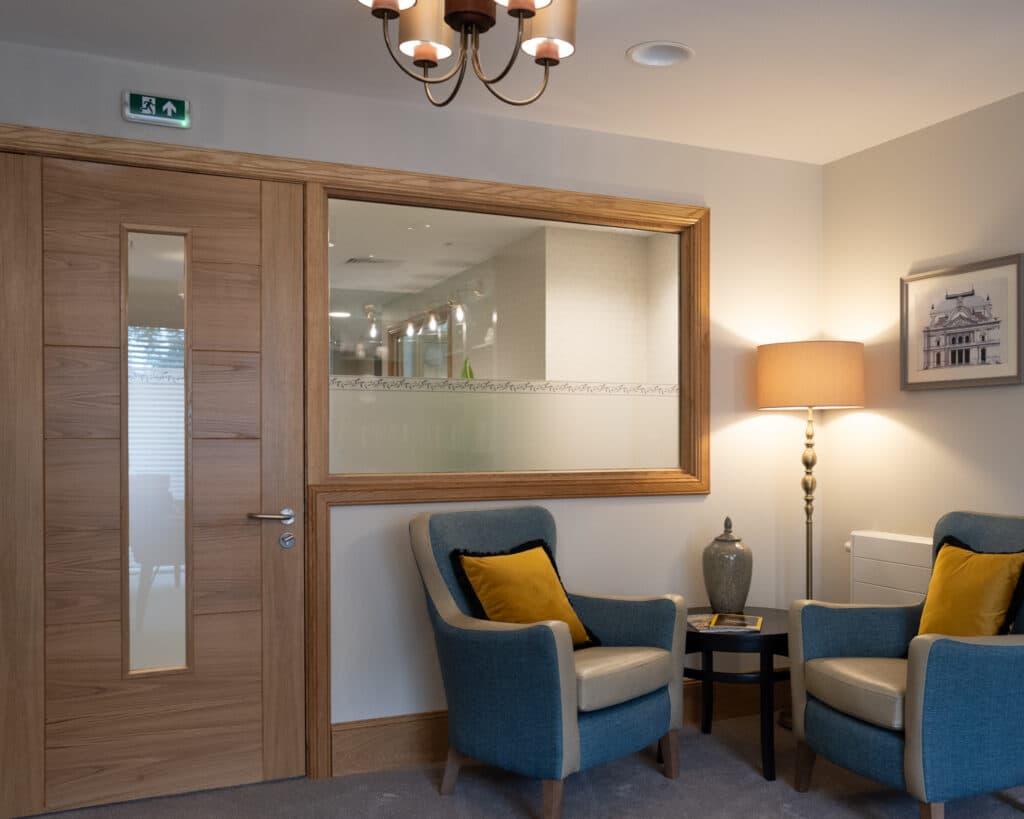
Alongside comfortable accommodation, residents enjoy welcoming lounges, beautiful gardens, engaging activities and meaningful opportunities to build friendships within our community. Whether someone joins us for residential, nursing, dementia or respite care, our compassionate team takes the time to understand what matters most to them so they can continue living a fulfilling and enjoyable life.
If you would like to learn more about life at Woodlands Care Home or arrange a visit, our friendly team would be delighted to welcome you. Contact us today to discover how we help residents feel at home from the very beginning.